What is Digital Marketing?

At its core, digital marketing is promoting products, services, or brands using online platforms and digital tools.
Unlike traditional marketing—TV ads, billboards, radio spots—digital marketing happens online, where people spend most of their time. Whether it’s scrolling on Instagram, searching on Google, checking emails, or shopping on Amazon, businesses can now reach customers exactly where they are.
In simple words:
Traditional marketing = offline promotion.
Digital marketing = online promotion.
A few everyday examples include:
Ranking your website on Google with SEO (see Google’s SEO Starter Guide).
Running ads with Google Ads to show up for “best laptops under $500.”
Posting short Instagram Reels that go viral.
Sending promotional emails with discounts.
Partnering with influencers on YouTube or TikTok.
Why Digital Marketing is Essential in 2025
The year 2025 is an exciting time for businesses, but it’s also highly competitive. Consumers are spending more time online, and their expectations are higher than ever. Let’s explore why digital marketing is no longer optional:
1. Global Reach at Low Cost
When people ask what is digital marketing, one of the first answers is its ability to provide a global reach at a fraction of the cost. Unlike traditional advertising such as TV, print, or billboards—which require large budgets but only reach limited audiences—digital marketing helps you connect with thousands or even millions of people worldwide without overspending.
For example, a local boutique can now build an e-commerce store and, through digital channels, sell products across different countries. By using Google Ads and a smart social media strategy, even small businesses can showcase their products to targeted audiences globally. The cost-effectiveness of digital marketing makes it one of the most powerful tools for modern businesses.
2. Precise Targeting
Another strong reason why businesses search for what is digital marketing is the precision in targeting it offers. With traditional marketing, your ad is shown to everyone, whether they are interested or not. In contrast, digital marketing allows you to target specific audiences based on age, gender, location, interests, or even online behavior.
For example, a coffee shop can use Google Ads Audience Targeting to display ads only to coffee lovers within a 5-mile radius. This ensures your marketing budget is spent wisely, focusing only on people most likely to engage and convert into paying customers.
3. Real-Time Tracking and Insights
One of the best answers to what is digital marketing lies in its ability to provide real-time insights. In traditional marketing, you often wait weeks to understand results. With digital marketing, you can track campaigns instantly through tools like Google Analytics or Google Ads Manager.
This means you can see how many people clicked your ad, signed up for your newsletter, or bought your product—right when it happens. With this data, you don’t need to “hope” your campaign works—you can measure ROI immediately and make instant adjustments for better results.
4. Faster Growth for Small Businesses
If you’re a small business owner wondering what is digital marketing and whether it’s worth it—the answer is a big yes. Digital marketing levels the playing field, helping small businesses compete with large brands. Even with a small budget, strategies like SEO, content marketing, and targeted ads can create consistent growth.
For example, a local bakery can use Google Business Profile to attract nearby customers, run affordable Instagram ads, or send discount offers via email marketing. By focusing on creativity and consistent digital campaigns, small businesses can achieve faster and more sustainable growth than ever before.
5. Stronger Customer Relationships
When explaining what is digital marketing, another core benefit is how it helps brands build strong and lasting customer relationships. Unlike traditional marketing, which is often one-way, digital marketing enables two-way communication. Customers can comment on your posts, reply to your emails, or send direct messages to your business.
Through social media marketing, personalized email campaigns, and even Google’s Customer Match, businesses can stay connected with their audience in meaningful ways. This engagement builds trust, loyalty, and repeat business—turning one-time buyers into long-term brand advocates.
Types of Digital Marketing
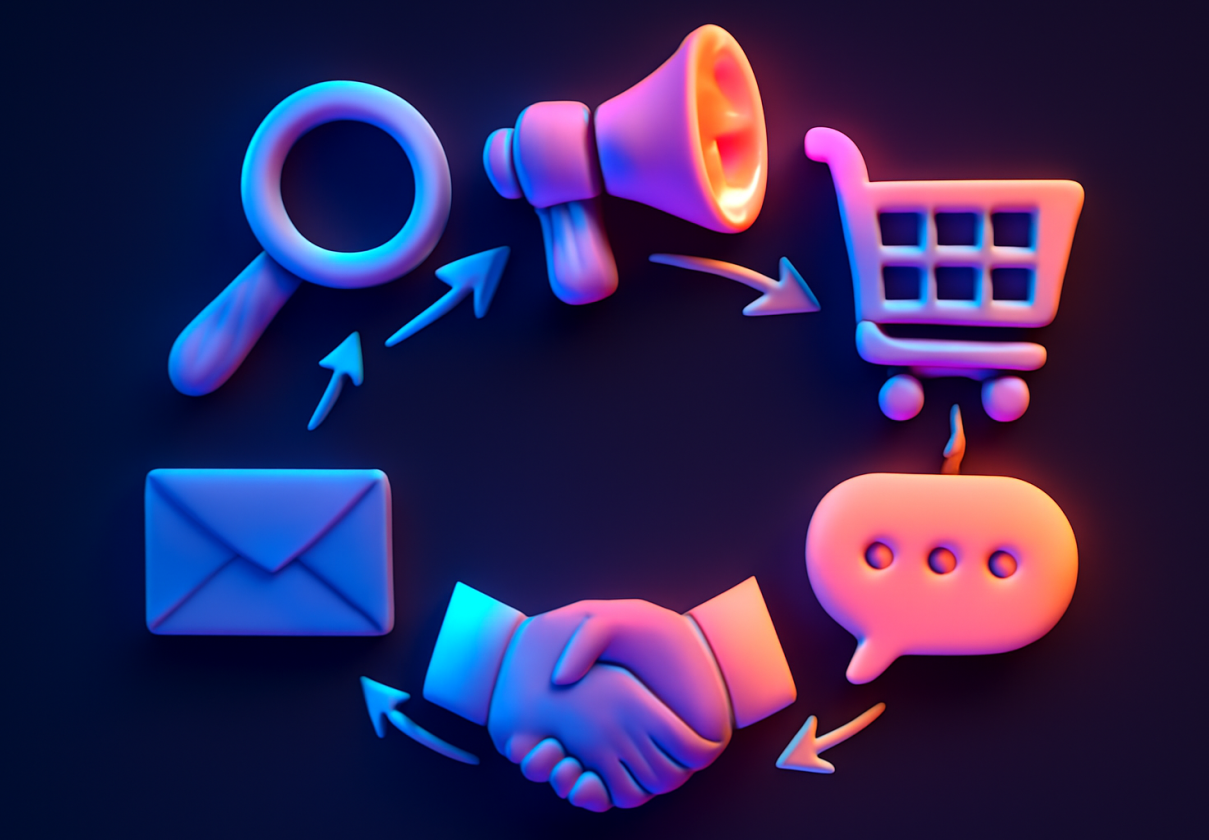
To make things easier for beginners, let’s go step by step through the main types of digital marketing in 2025:
1. Search Engine Optimization (SEO)
When people ask what is digital marketing, one of the first strategies that comes to mind is Search Engine Optimization (SEO). SEO is the process of improving your website so that it ranks higher on Google search results when potential customers look for products or services you offer. For example, if you’re a plumber, you want your website to appear on the first page when someone types “plumber near me”.
SEO has three main parts:
On-Page SEO: Using focus keywords in your titles, meta tags, image alt texts, and creating high-quality, keyword-rich content.
Off-Page SEO: Building backlinks, getting featured on blogs, and improving your site’s online reputation.
Technical SEO: Ensuring your website loads quickly, is mobile-friendly, and has a clean structure for Google to crawl easily.
SEO may take time, but it brings long-term, free, and consistent traffic to your business once your pages rank well. Beginners and small businesses should make SEO their foundation when learning what is digital marketing.
2. Pay-Per-Click Advertising (PPC) & Google Ads
Another big answer to what is digital marketing is Pay-Per-Click advertising (PPC). With PPC, you pay only when someone clicks your ad. This is perfect for businesses that want quick results instead of waiting for SEO.
Types of PPC campaigns include:
Search Ads: Text-based ads that appear on Google when people search for relevant keywords.
Display Ads: Banner-style ads that show up on websites across the Google Display Network.
Shopping Ads: Product ads with images, prices, and links—perfect for e-commerce stores.
YouTube Ads: Short videos shown before or during content.
Using Google Ads, small businesses can target specific audiences and appear exactly where their customers are searching. This makes PPC one of the most effective tools in digital marketing for beginners who want to grow fast.
3. Social Media Marketing (SMM)
If you’re still wondering what is digital marketing, look no further than Social Media Marketing (SMM). Platforms like Facebook, Instagram, TikTok, and LinkedIn are where billions of people spend hours daily. For businesses, this means endless opportunities to attract, engage, and retain customers.
Social media marketing strategies include:
Sharing engaging posts, reels, and stories.
Running paid ad campaigns targeted by location, age, gender, and interests.
Building brand communities and interacting with customers in real time.
Example: A small bakery posting daily Instagram Reels with behind-the-scenes videos can attract more local customers than a traditional billboard. Social media makes digital marketing more personal, interactive, and effective.
4. Content Marketing
There’s a saying in digital marketing: “Content is king.” And it’s true. When people ask what is digital marketing, one of the most effective answers is content marketing—creating valuable content that educates, entertains, or informs your audience.
This can include:
Blog posts and SEO articles.
YouTube videos and podcasts.
Infographics and eBooks.
For example, a fitness trainer who regularly posts free workout videos on YouTube builds trust and eventually sells online coaching programs. Content marketing is a long-term strategy, but it drives organic traffic, builds authority, and helps your audience trust your brand.
5. Email Marketing
Another classic answer to what is digital marketing is email marketing, one of the highest ROI (return on investment) channels. With emails, businesses can stay connected with their audience directly, without relying on algorithms or paid ads.
Types of email campaigns include:
Welcome emails for new subscribers.
Promotional emails with discounts and offers.
Newsletters with tips, updates, and stories.
Big brands like Amazon still rely heavily on email marketing because it keeps customers engaged and coming back. For beginners, email is one of the simplest yet most effective tools in digital marketing for small businesses.
6. Affiliate & Influencer Marketing
When exploring what is digital marketing, you can’t ignore the power of affiliate and influencer marketing. Instead of promoting your business alone, you let others do it for you.
Affiliate Marketing: You give affiliates (partners) a commission for every sale they generate by promoting your product.
Influencer Marketing: You collaborate with influencers who already have a loyal audience.
For example, a beauty brand might send products to Instagram influencers who post reviews and encourage their followers to buy. This type of marketing works especially well for small businesses that want to grow through word-of-mouth and trusted recommendations.
7. Branding & Graphic Design
The last, but equally important, part of what is digital marketing is branding and design. Your visuals are the first impression customers get of your business. Whether it’s a logo, website design, ad banner, or social media post, great design builds credibility and trust.
Think about Apple or Nike—their logos are instantly recognizable. That’s the power of strong branding. For small businesses and beginners, investing in graphic design ensures that every marketing effort looks professional and memorable.
Digital marketing isn’t just about ads—it’s about building a brand identity that people recognize and connect with.
How to Start Digital Marketing for Beginners

If you’re wondering how to start digital marketing for beginners, here’s a step-by-step plan:
Create a Professional Website – Think of it as your digital storefront.
Learn Basic SEO – Add keywords, optimize speed, and write useful blogs.
Build Social Media Profiles – Be consistent on at least 1–2 platforms.
Run Small Paid Ads – Start with a small budget on Google or Meta Ads.
Post Consistently – Blogs, videos, and reels build momentum.
Track Your Results – Use Google Analytics to see what works.
Get Expert Help When Needed – A digital marketing agency can help you grow faster.
Final Thoughts
So, what is digital marketing? It’s the art of reaching your audience online, building trust, and turning strangers into loyal customers. In 2025, businesses that embrace digital marketing will thrive, while those who ignore it risk being left behind.
For small businesses, this is the best time to get started. With the right mix of SEO, social media, content, and paid ads, you can compete with larger brands and grow steadily.
If you’re serious about growth but not sure where to begin, start small—create a website, run a few ads, and learn SEO basics. Over time, your efforts will pay off.
And if you’d rather focus on running your business, companies like Jujhar Digital can help with SEO, Google Ads, social media, and branding to make your business shine online.